

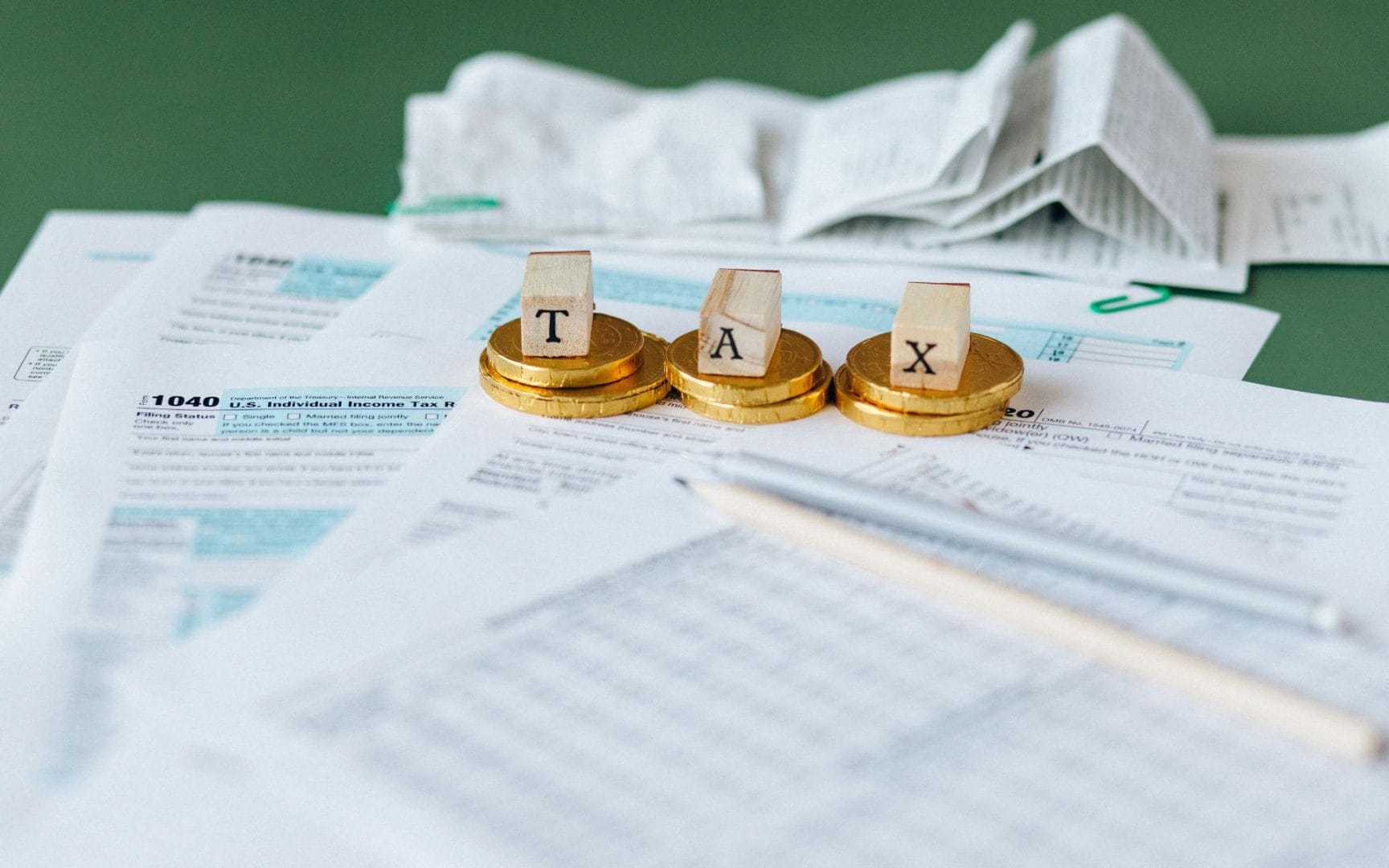
VAT compliance is a critical responsibility for VAT-registered UK businesses. Missing VAT deadlines or submitting inaccurate returns can lead to penalties, interest charges, and increased scrutiny from HMRC.
Understanding VAT deadlines and maintaining accurate records helps businesses stay compliant and avoid unnecessary costs.
How Often Do UK Businesses File VAT Returns?
Most UK businesses submit VAT returns quarterly, although some may file monthly or annually, depending on their VAT scheme.
In most cases, VAT returns must be submitted one calendar month and seven days after the end of the VAT period. Any VAT owed must also be paid by this deadline.
Key VAT Compliance Obligations
To remain VAT compliant, UK businesses must:
Submit VAT returns on time
Pay VAT owed by the deadline
Maintain accurate VAT records
Comply with Making Tax Digital (MTD) requirements
Failure to meet these obligations can result in penalties and interest charges.
Penalties for Late VAT Submissions
HMRC uses a points-based penalty system for late VAT submissions. Repeated delays increase penalty points and can lead to fines and closer HMRC monitoring.
Consistently late or inaccurate submissions may also trigger compliance checks or audits.
The Role of Bookkeeping in VAT Compliance
Accurate bookkeeping plays a vital role in VAT compliance. Clean, up-to-date records ensure VAT calculations are correct and supported by proper documentation.
Working with a professional bookkeeping or accounting team helps businesses meet VAT deadlines confidently while reducing compliance risk.
One response to “VAT Deadlines Every UK Business Should Know”
This is a great reminder that financial planning isn’t just about numbers; it’s about aligning your money with your life goals. Physician Lifecycle Planning can help you make the most of your earning potential while ensuring you’re also prioritizing your well-being and quality of life.